Diāna Krista Stafecka
Born: 1 October 1996
Born in Riga and raised in Cēsis, Diāna Krista Stafecka graduated from the piano department of the Alfrēds Kalniņš Cēsis Music School (2012) and Cēsis State Gymnasium (2015). She then began studies in journalism at the Faculty of Social Sciences of the University of Latvia. In 2017, she was admitted to the Dramatic Theatre Acting course at the Latvian Academy of Culture, led by Indra Roga and Mihails Gruzdovs, graduating in 2021. Alongside her acting studies, she also obtained a bachelor’s degree in journalism.
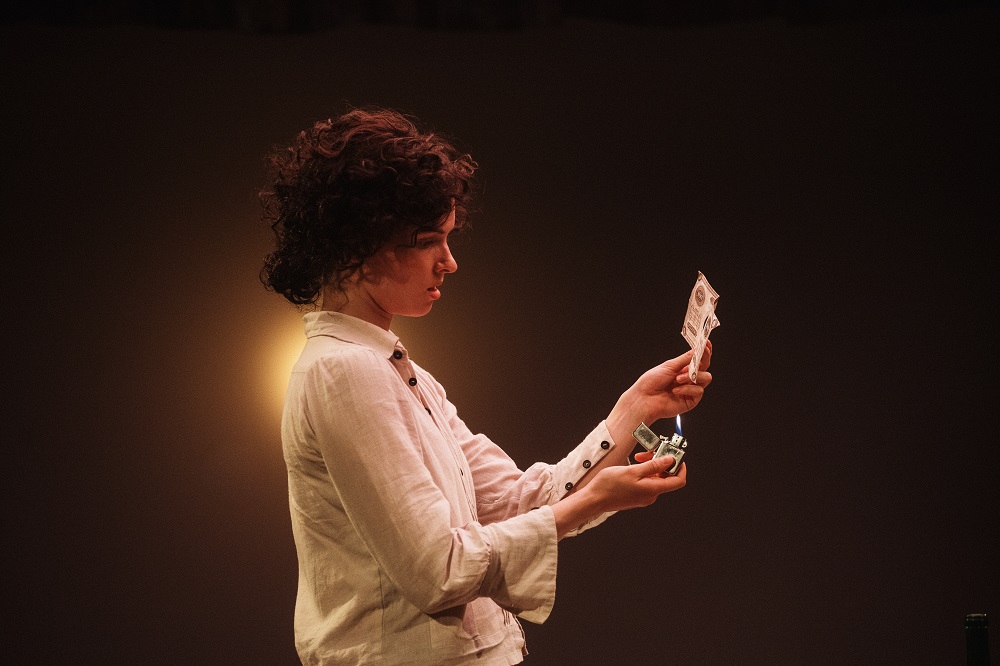
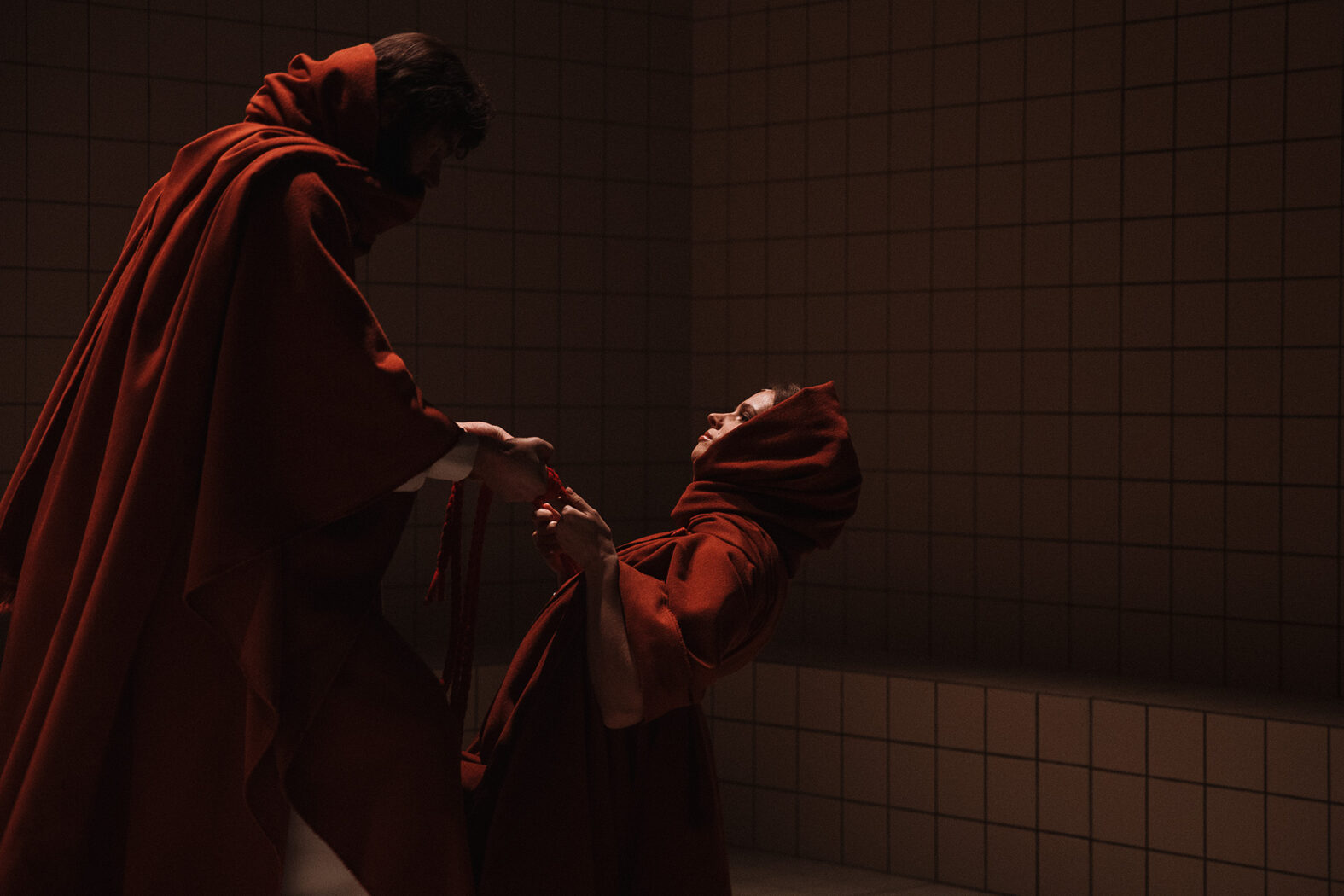
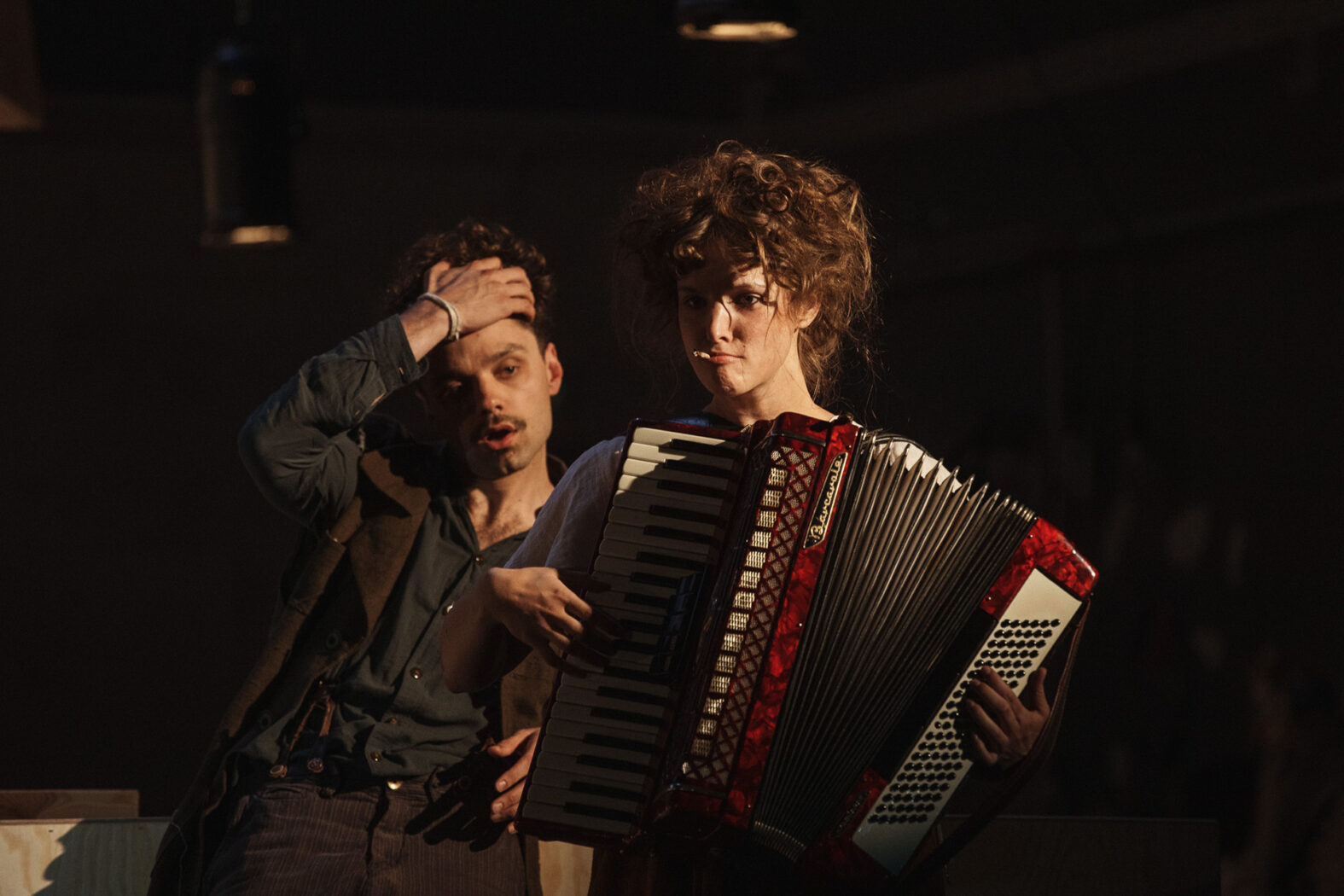
“Honesty, intelligence, and beauty—she seems made for lyrical roles as a romantic heroine. That is why we had to work specifically on expanding her range,” said course leader Indra Roga about her student upon graduation. After several seasons at Valmiera Theatre, this “expansion of range” no longer seems to be a concern. The range of intonations in Diāna Krista’s roles is like a flawless split: one evening she can become Princess Līksme beneath a pink, fluffy cloud, dressed in a pink princess gown and ribbons, joyfully letting loose in the children’s production My Thoughts Want to Talk to Me; the next, she can create a catharsis for the audience and bloom with the power of a tragic actress as Lavinia—the chillingly poisonous flower of evil—in Mourning Becomes Electra.
Despite her delicate appearance, Diāna Krista is persistent and purposeful. She is drawn to roles that present difficult challenges and require her to push beyond her own limits. There is something of a researcher in Diāna Krista. She dives deep and does not simply repeat interpretations created by others. She experiences theatre as a privilege—the opportunity to encounter different directors and “open a small window and look into the specific world of each of these people.”
Theatre is: “Indra said about Gruzdov [Mihails] that he loved people deeply. Theatre is not something separate from life. It is the study of the world, and it contains a very great love for people. Through Gruzdov and Indra, I learned to see the strange, beautiful, cruel, and unusual things that surround us. On stage, by translating them into the language of art, we study what this world is and who we are within it.”
“In the first two acts, Diāna Krista Stafecka’s Lavinia is physically tense, her spoken words burn; she is a true ancient heroine in her extremism. It is not without reason that, writing about Kroders’s production at the National Theatre, Guna Zeltiņa once pointed out Lavinia’s similarity to Hamlet. Such parallels also come to mind while watching Inese Mičule’s production.”
(Atis Rozentāls, “The Destructive Fire of Passion,” Kroders.lv, 9 March 2023.)
“The main thing I perceived was the war-distorted, black-and-white, aggressive feeling of a single absolute truth—that is what drives Lavinia, the contemporary Electra played by Diāna Krista Stafecka. Fanatically devoted to her father, unreachable by any empathy towards others, she has been dried out by hatred like a matchstick—ready to ignite from the slightest touch.”
(Edīte Tišheizere, “Trapped in War,” Ir, 9 March 2023.)
“Diāna Krista Stafecka’s Lavinia is driven by a passionate love for her father, disguised as fanatical devotion, and by a complete lack of empathy towards those around her. Her graceful, elegant figure is like a drawn bow, ready at any moment to shoot out and destroy every rival in her path.”
(Andra Rutkēviča, “A Field Burned by Passions,” Teātra Vēstnesis, 2020/II.)
“There is much in Diāna Krista Stafecka’s heroine of the almost desperate idealism of a very young girl and her inability to believe in the evil of the world.”
(Līga Ulberte, “Very Beautiful, Very Much,” KDi, 25 September 2021.)
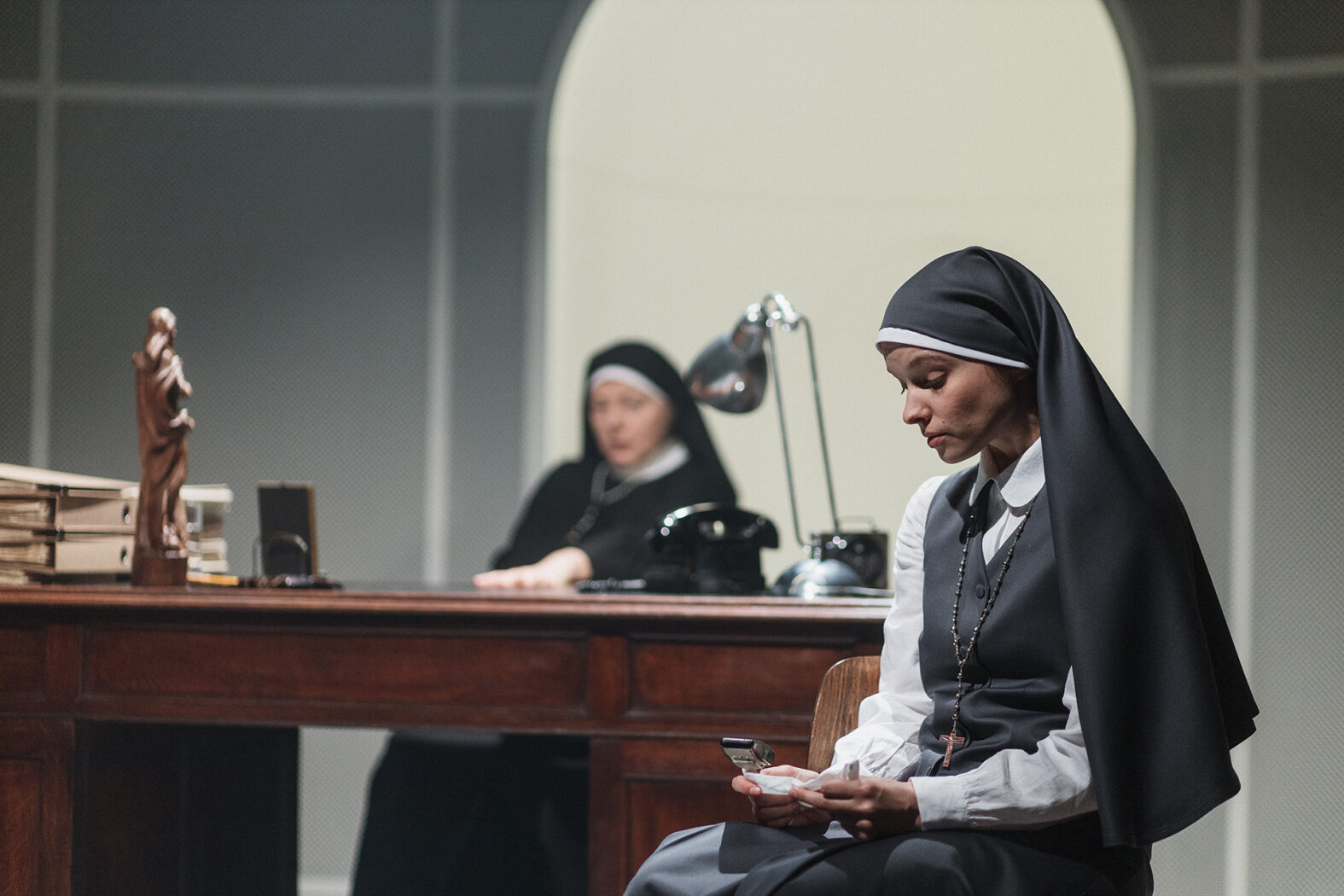
“At the beginning, the young actress of Valmiera Theatre, Diāna Krista Stafecka, portrays Natālija Laukjāne, a student of the Faculty of Philology at the Latvian State University, and she remarkably successfully combines in the role an honest daughter, a young woman in love, a shy student in the hands of the KGB, an ambitious schemer, and a person seeking her own advantage. How eagerly her eyes light up as she asks the not particularly intelligent KGB officer (Mārtiņš Eglienis): ‘What else can you get?’”
(Agris Redovičs, “A Criminal Case for a Beginner,” They Are Right Here, Kinoraksti.lv, 16 March 2022.)