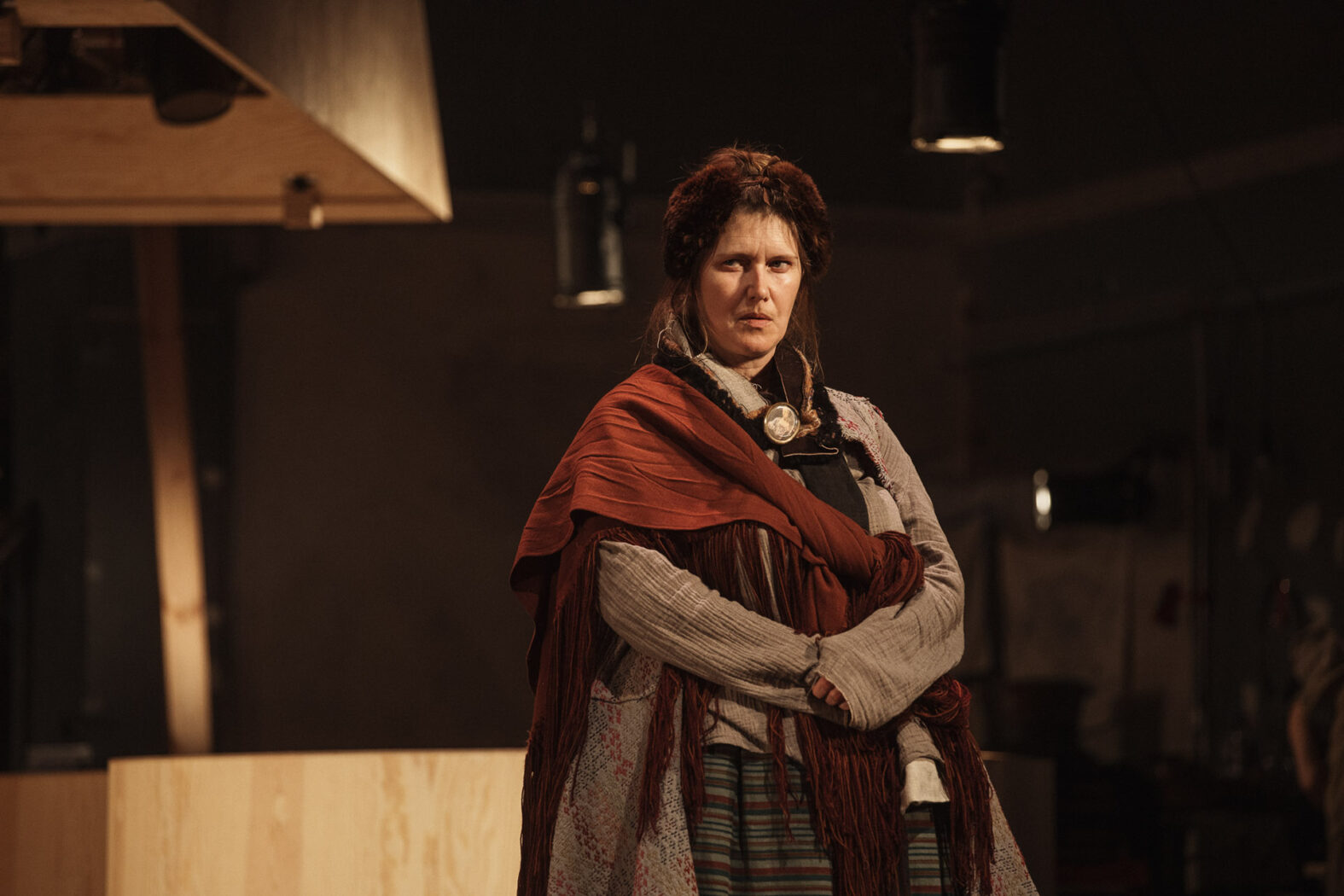
Elīna Vāne
Born: 21 September 1978
Elīna Vāne has worked at Valmiera Drama Theatre since 2003, after graduating from the acting course at the Screen and Theatre Arts Department of the Latvian Academy of Culture. She has collaborated with independent theatre groups and participated in international projects. Already in her first season at Valmiera Theatre, she demonstrated her outstanding talent and received the Latvian Theatre Annual Award as Best Young Stage Artist. Elīna has always been able to adapt to the productions of any director; however, the most significant steps in her professional growth were taken in the performances of Oļģerts Kroders, Felikss Deičs, and Māra Ķimele. As an experienced artist, Elīna has also encountered directors such as Indra Roga, Elmārs Seņkovs, and Inese Mičule, and together with them continues to expand the boundaries of her abilities.
Elīna is an actress of heroic roles—and actresses of this kind have always been a rare treasure. Heroic roles require fearlessness: the courage to look into the deepest and sometimes frightening depths of one’s subconscious, the scale of personality, and the ability to create a powerful stage presence. God or nature has granted Elīna all of this together with her talent, but it would mean nothing without her extraordinary capacity for hard work. Her roles are created through intense labour, and the process does not end after the premiere—the feeling of satisfaction with what has been achieved is perhaps simply unknown to her.
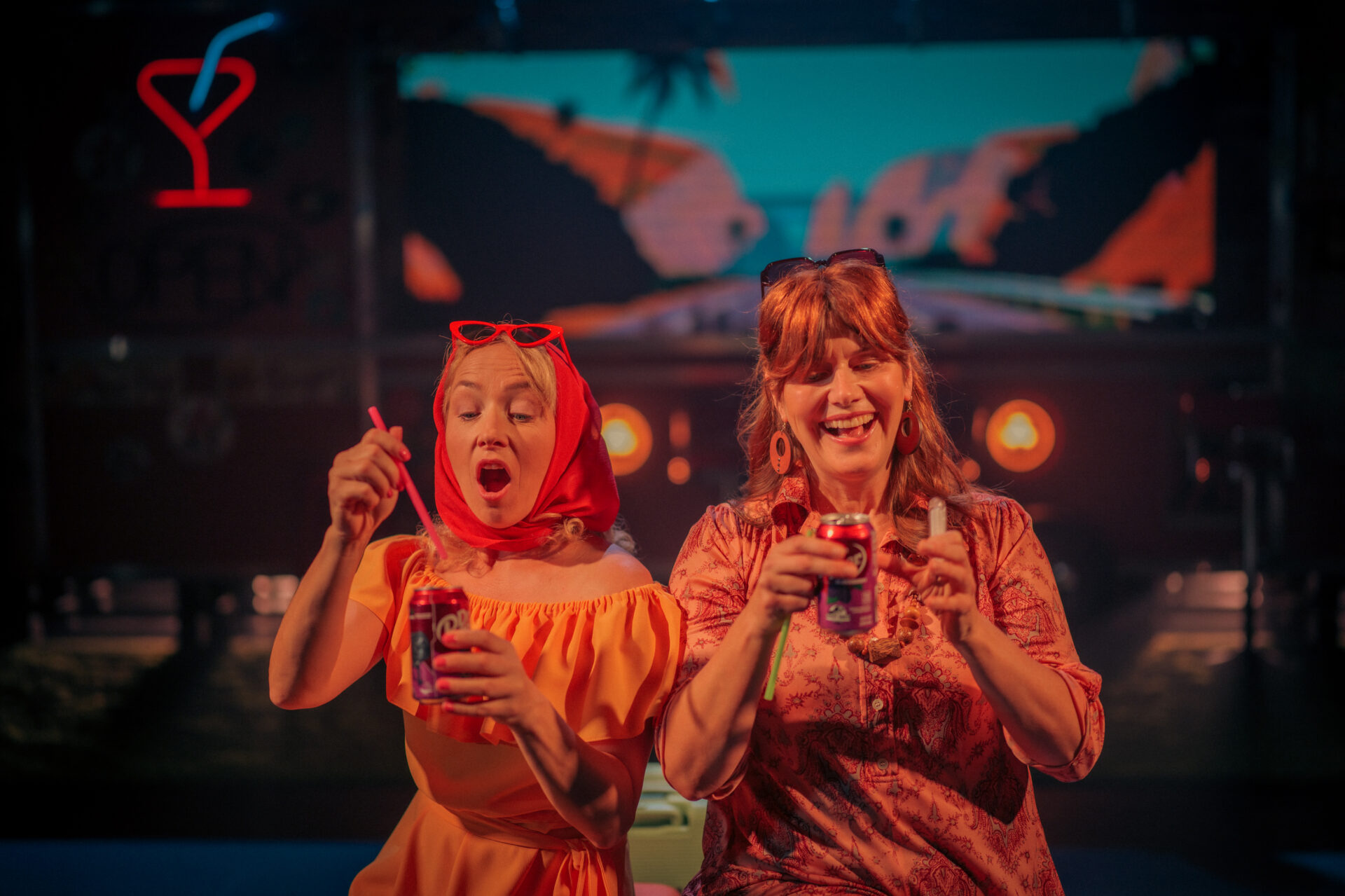
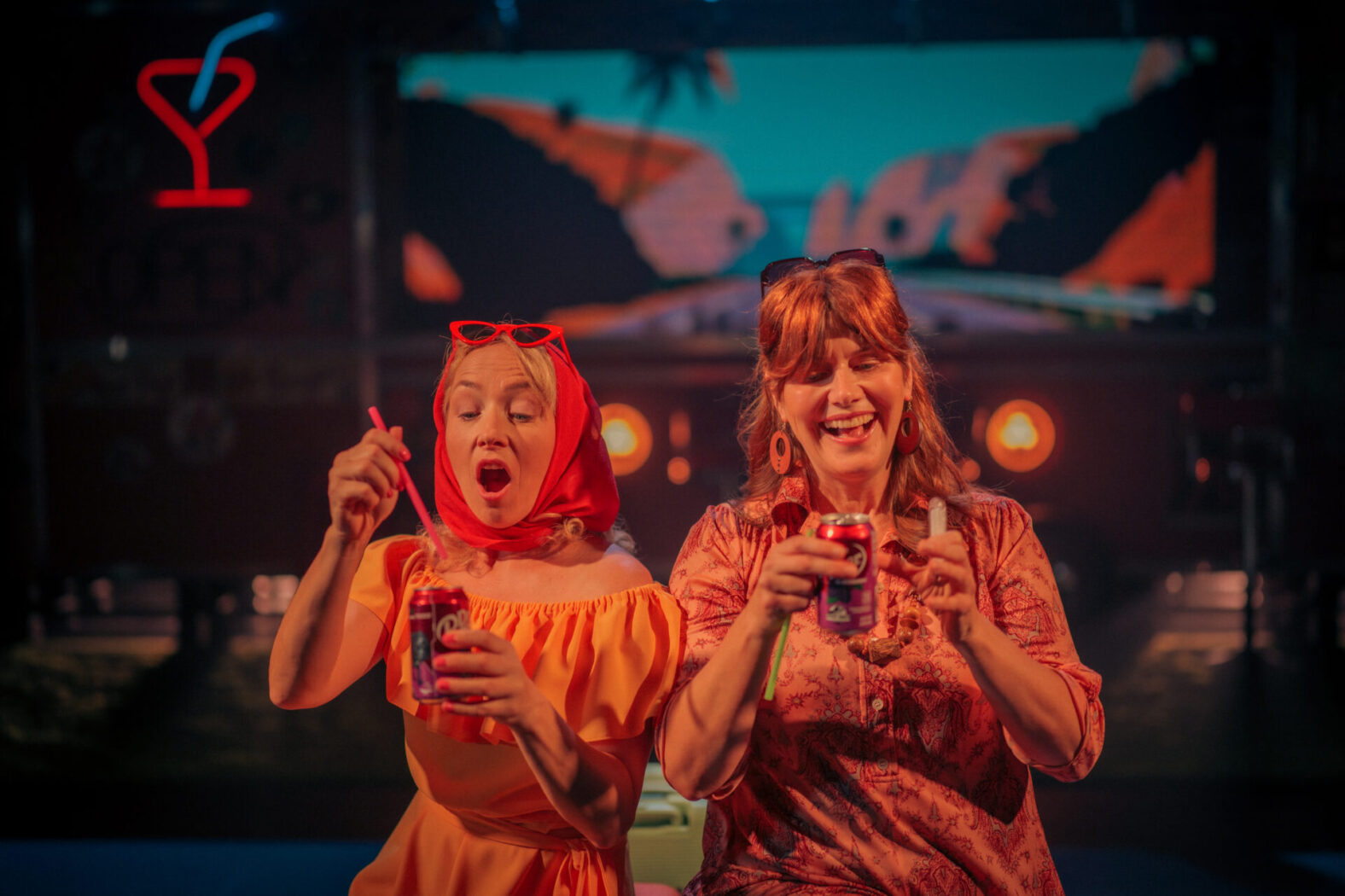
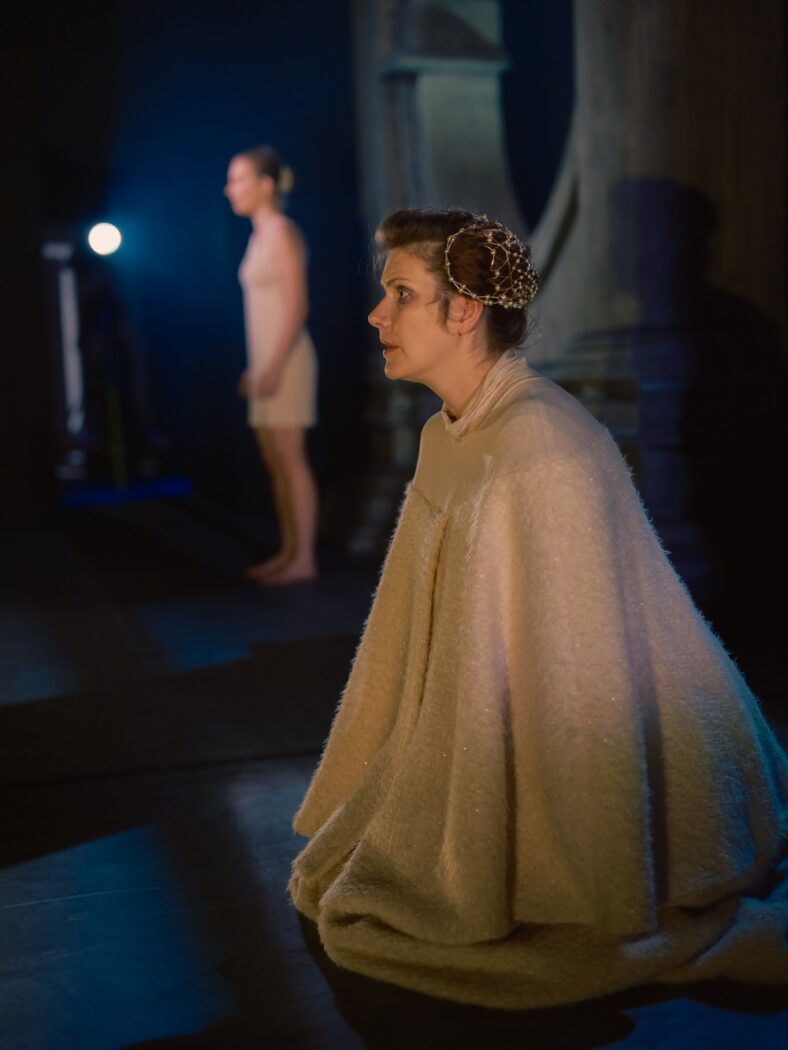
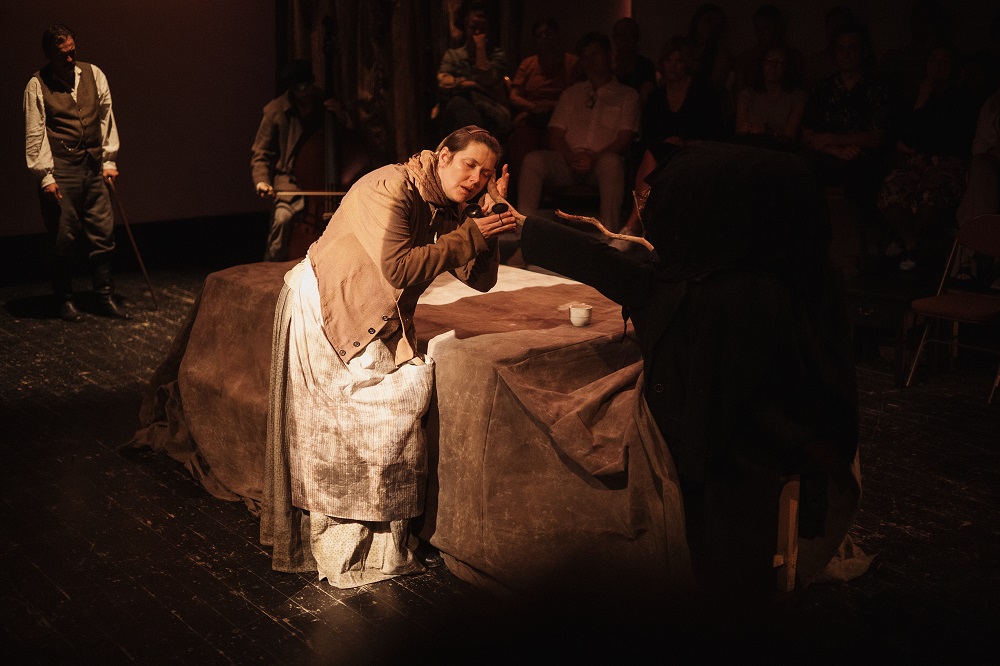
That is precisely why she is capable of moving audiences so deeply—as Raudupiete, leading them into a profound sense of despair while also revealing the possibility of catharsis; as Larisa in Doctor Zhivago, allowing audiences to sense the immeasurable and unexplored depths of femininity; as Joanna in The Arc de Triomphe or Alla Vadimovna in Zoya’s Apartment. One might think that roles such as the stage manager Poppy, who can get lost between two pine trees and become tangled in her own feet (Quiet! The Performance Is On!), or Esther, overwhelmed by sexual madness (Wine and Weeds), would serve as a lighter diversion for Elīna. Yet even towards any seemingly easy task—a comedy or a character role—she applies the same level of discipline, demand, and seriousness.