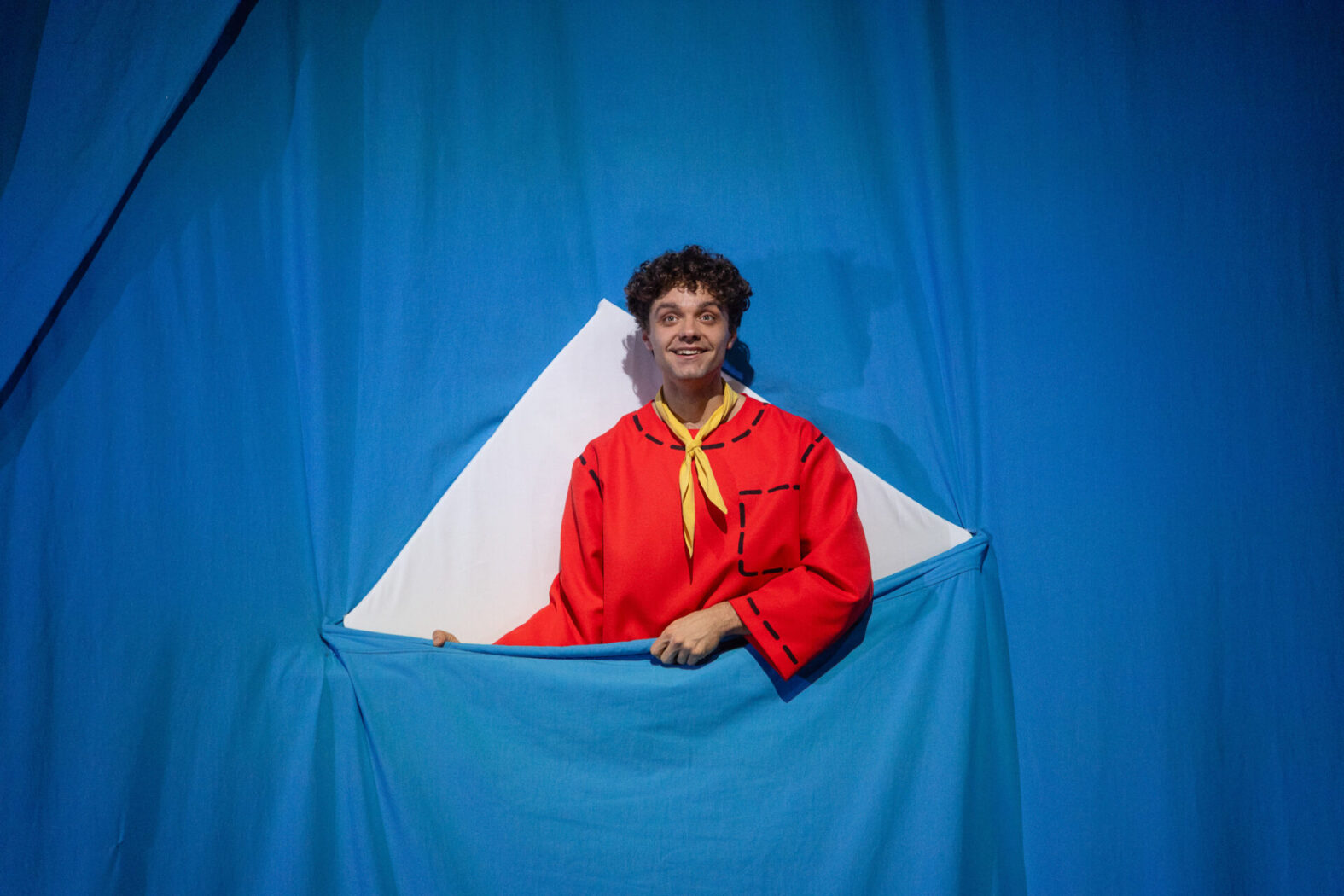
Kārlis Dzintars Zahovskis
Born: 27 February 1997
Born and raised in Jūrmala, Kārlis Dzintars Zahovskis graduated from Riga State Gymnasium No. 3 in 2016. He completed the Oskars Kalpaks Riga Folk Applied Arts School with a diploma project in woodworking. In 2021, he graduated from the Dramatic Theatre Acting Programme at the Latvian Academy of Culture under the guidance of course leaders Indra Roga and Mihails Gruzdovs. He dreams of having his own family home with a pond and flower garden near a pine forest.
“Take a moment to think, and then confidently let out everything that is inside you (…) God has blessed him with great gifts, which he constantly continues to develop,” says lecturer Indra Roga.
During his studies, Kārlis Dzintars Zahovskis was characterised by bold etudes, the ability to portray both lyrical figures and complex, troubled characters, as well as the ability to parody Vladislavs Nastavševs with great wit.
Kārlis Dzintars Zahovskis comes from a family of musicians—his father is a trumpet player, his sister is a singer, and his great-grandmother was a piano teacher and pianist. One generation earlier, Emma Čēma performed theatre and directed productions in Valmiera and Alūksne.
Kārlis enjoys reading slowly, quietly, almost under his breath. Films also inspire him.
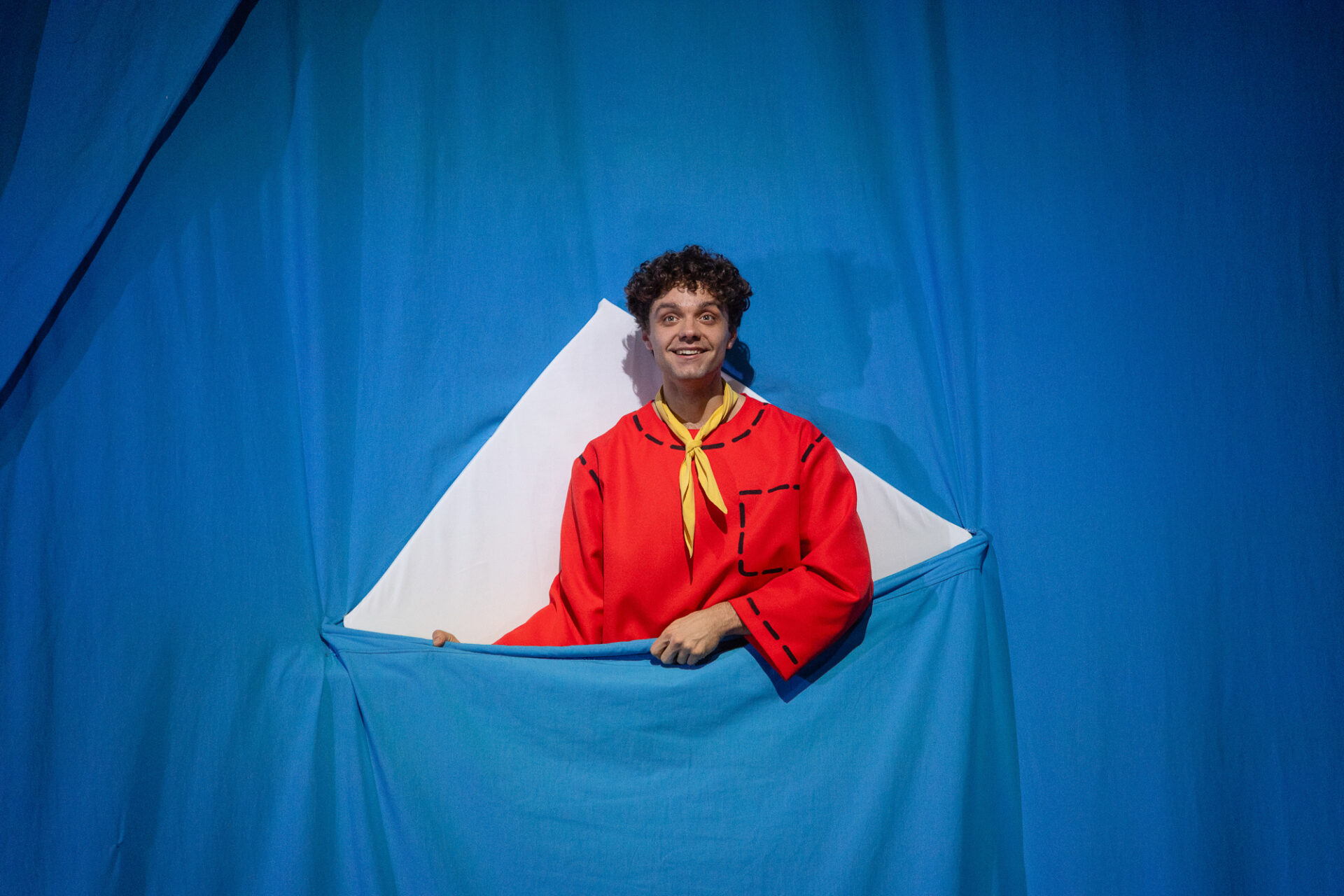
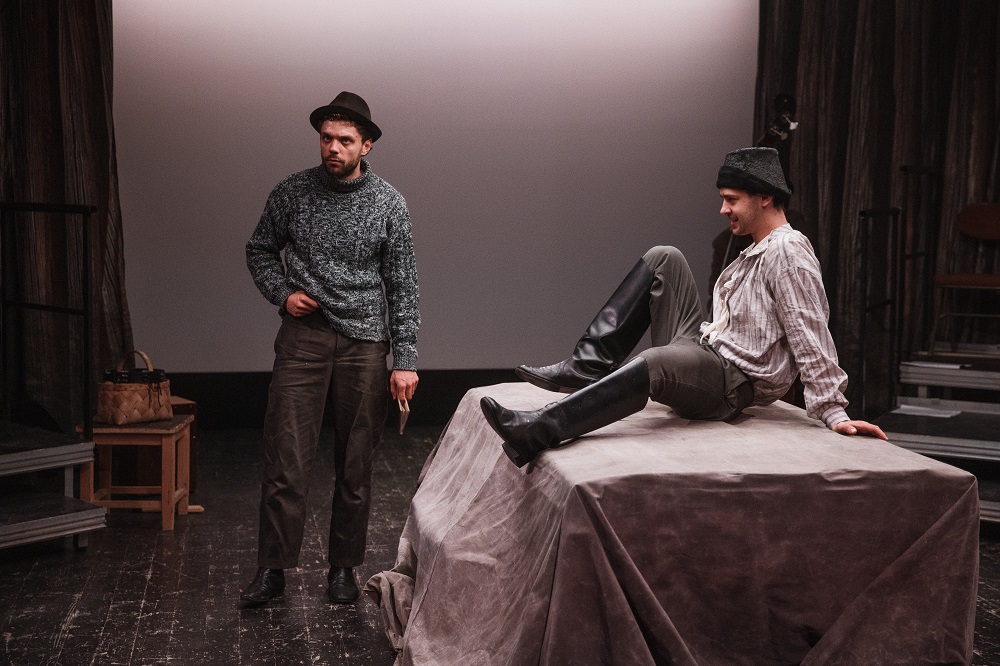
From the clear-hearted, bespectacled seven-year-old Daniel in My Father – Peter Pan, to Ivan Shatov in Demons. After Dostoevsky, who, almost foaming at the mouth, tries to shout out his truth during a party break—that one can live differently—and through many other sincerely created roles, Kārlis Dzintars Zahovskis has now grown into his first major role. A role in which Valmiera Theatre’s principle is fully realised: finding every actor a part that reveals their human and artistic potential.
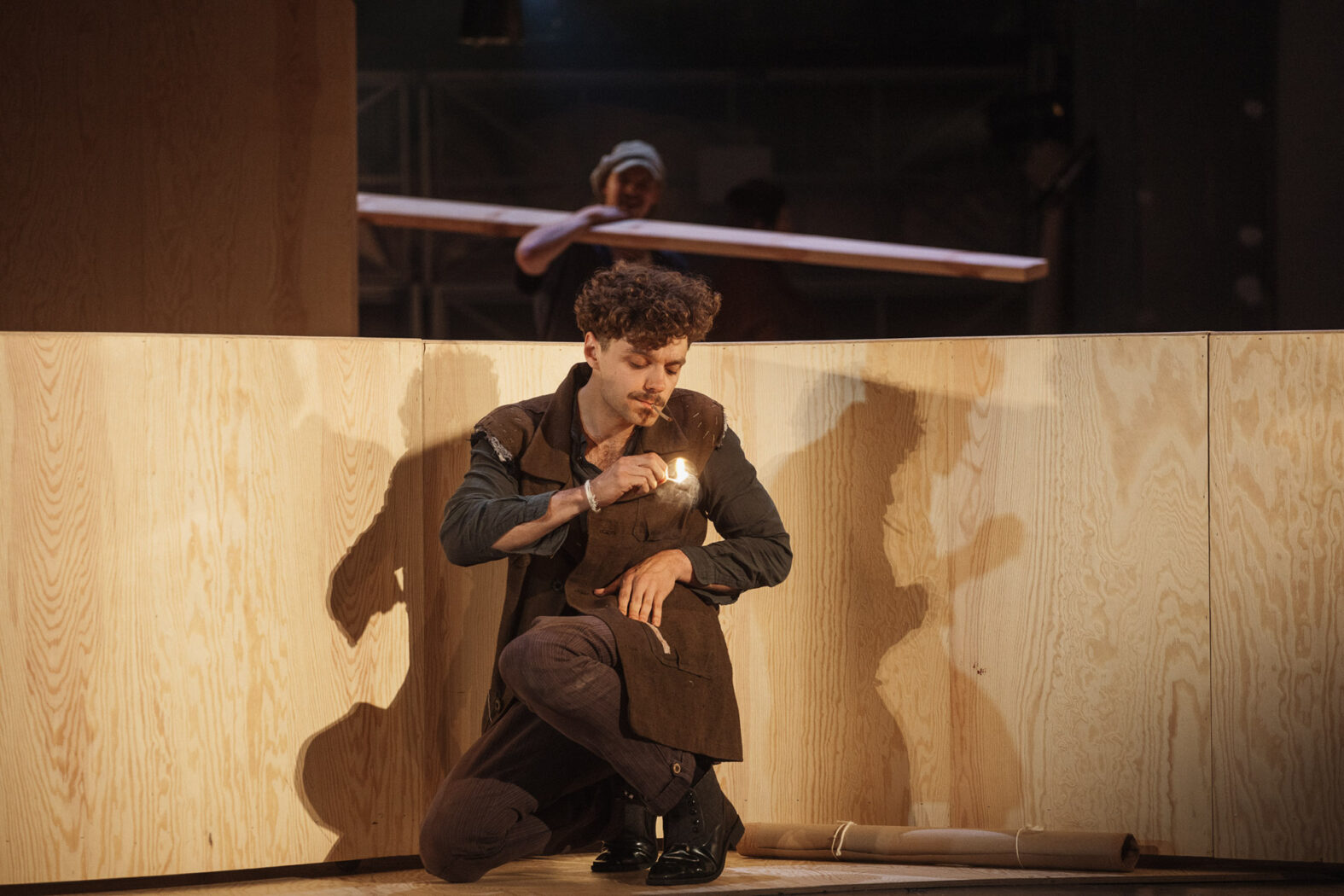
“Two scenes are physically intense because of their purposefulness. The very first scene of the production—the moment of birth and the meeting between mother and son—which Zahovskis tells through acrobatic skill, skilfully placing himself at the centre of the performance and allowing the shadows of the mother and doubts to revolve around him. And the chilling penultimate scene, where Zahovskis gives the son over to the iron, bony fingers, leaving as the final mark of his departure the passing breath of the spirit echoing through the microphone.”
— Kitija Balcere on director Viesturs Roziņš’s production The Widow’s Son (“Knots in the Umbilical Cord,” LSM.lv, 5 October 2023.)